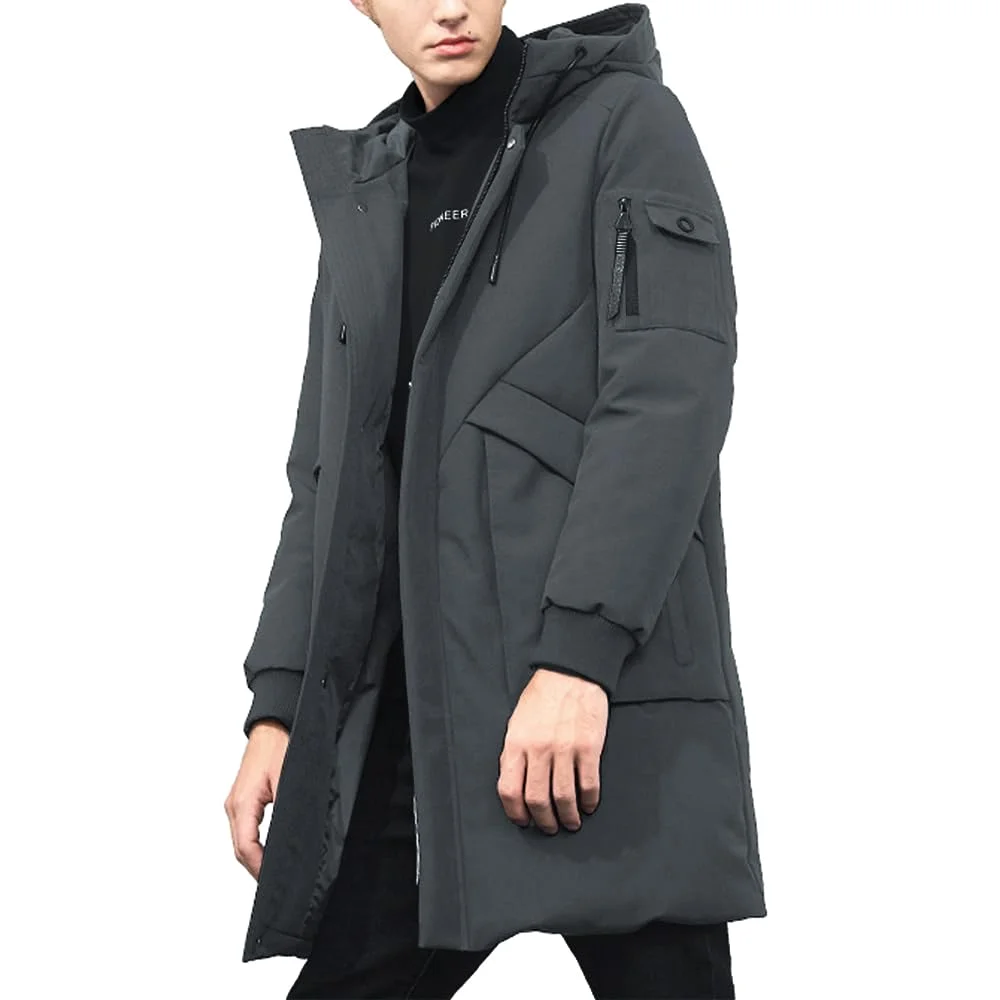
Official Pioneer Camp catalogue
Pioneer Camp jackets, fleece and sun layers, with the numbers on the card
You are standing between two jackets and the photographs will not tell you which one is warmer, which seams are taped or where the phone goes. Every Pioneer Camp card does: the fill power of the down, the weight of the fleece in grams, whether the hood comes off, how many pockets and which ones zip, the size run the piece is cut in, and the UPF figure where the label carries one. Puffers and parkas, fleece and grid mid layers, rain shells and softshells, ski kit, sun hoodies, vests, shirts and trousers by the inch.
Start with the layer the day needs
- 284pieces in the rangeacross nine shelves
- 25,601ratings behind themweighted across the catalogue
- 771colourwaysphotographed as sold
- 27years of outdoor clothingPioneer Camp has been at this since 1999
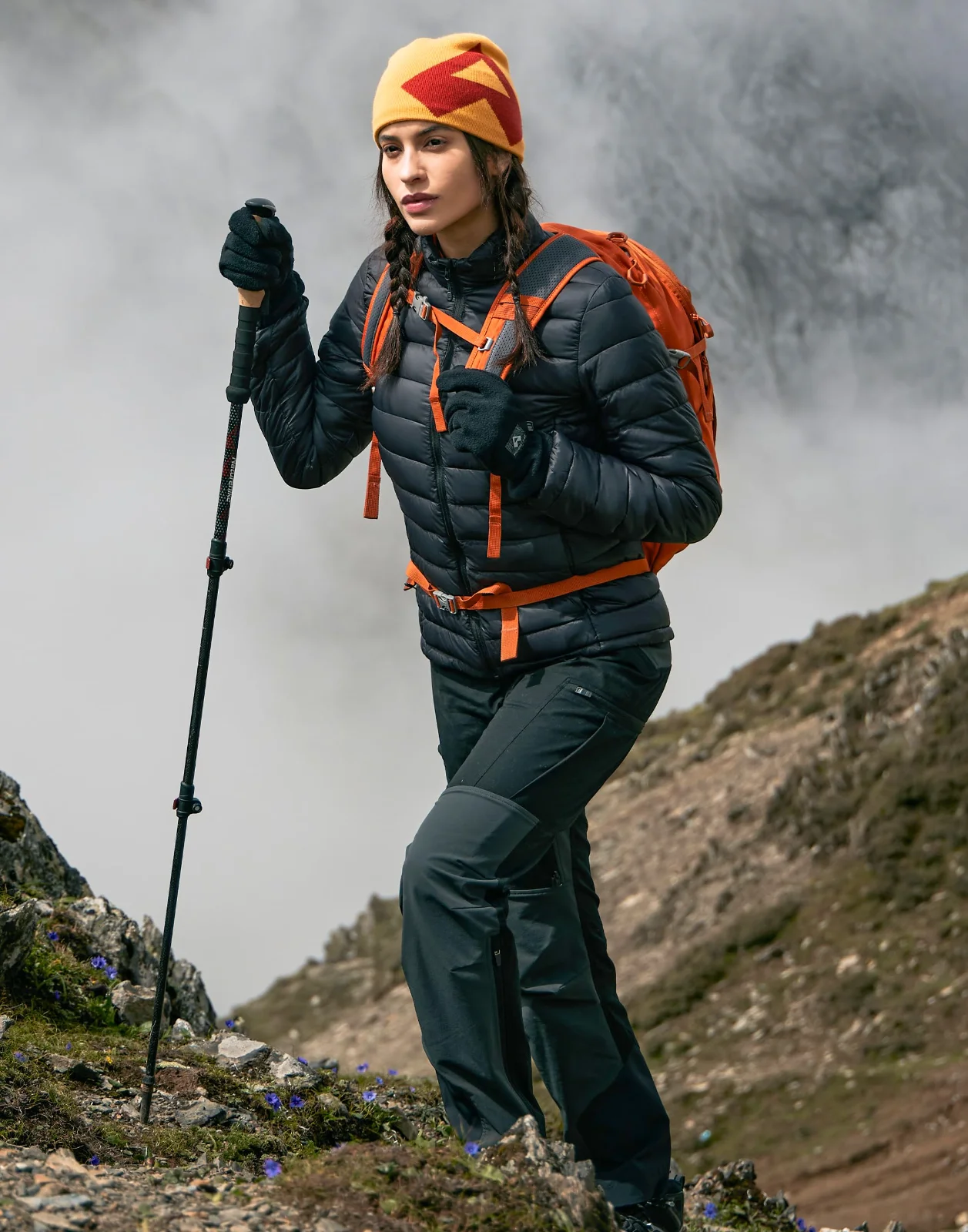 Layer 01 · Women's Water-Resistant Puffer Jacket in Black
$5.69 to $283.18a piece, at our last update
XS to 3XLthe size run
650 to 850 filldown, across the range
01Nine shelves
Start from the Pioneer Camp layer your day needs, not the colour
Dress from the outside in. Decide what the weather is going to do to you first, then what goes under it, and the colour last: the shelves here are cut in that order.
- Insulated jackets33 styles · For the morning it does not get warm
- Fleece and mid layers45 styles · The layer that does most of the work
- Rain and wind shells11 styles · For the hour the sky changes its mind
- Ski and snow23 styles · For a day that ends on a lift
- Sun protection15 styles · For the long middle of the day
- Vests12 styles · Warm where it matters, free where it does not
- Shirts and tees49 styles · The half of the drawer you wear every day
- Trousers and shorts81 styles · From the trail to the drive home
- Accessories15 styles · The small things that decide the day
02What leaves first
The Pioneer Camp pieces people buy most
Six here and six further down, with the fill, the pockets and the size run on every card before you click.
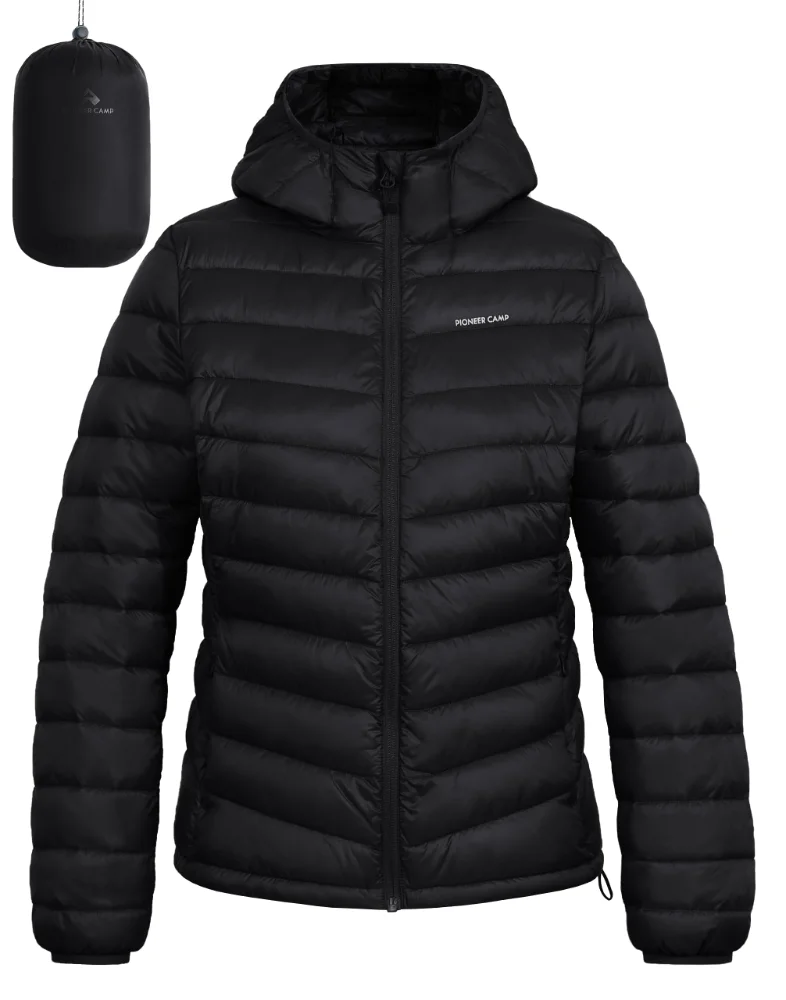
Puffer jacket
Women's Water-Resistant Puffer Jacket, synthetic fill
- Synthetic fill
- Sizes XS to 3XL
- 4 pockets
4.5 · 735 ratings
$55.99
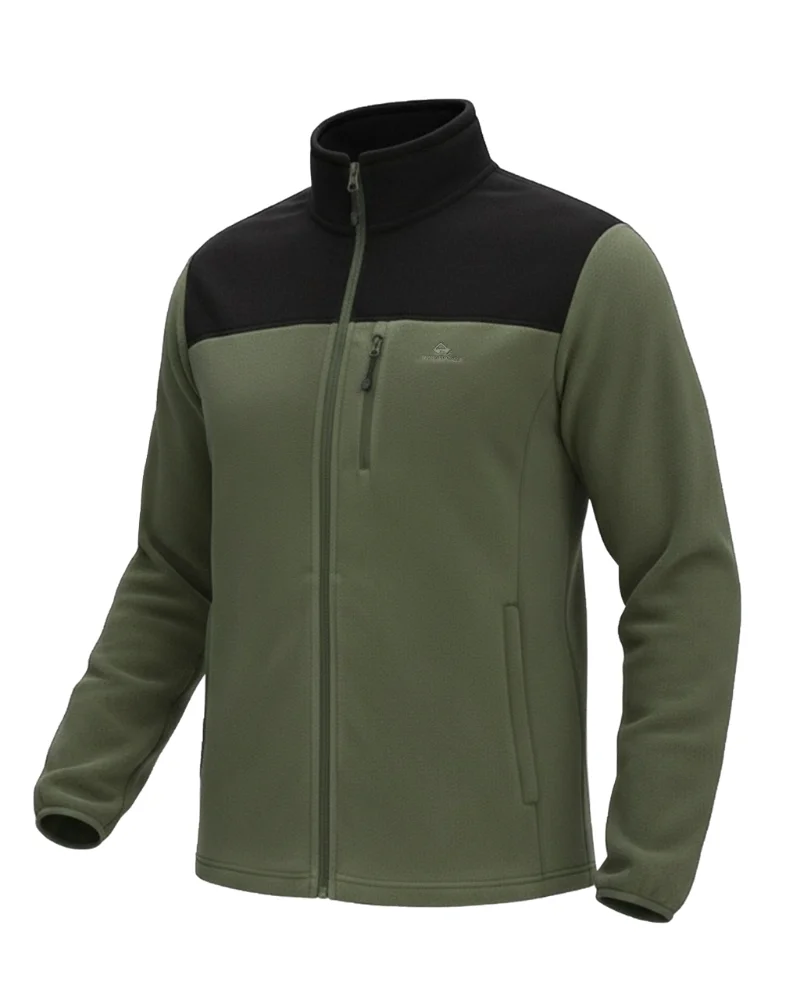
Fleece jacket
Men's Full-Zip Fleece Jacket, polar fleece
- Polar fleece
- Sizes S to 3XL
- Pockets
4.5 · 459 ratings
$42.50
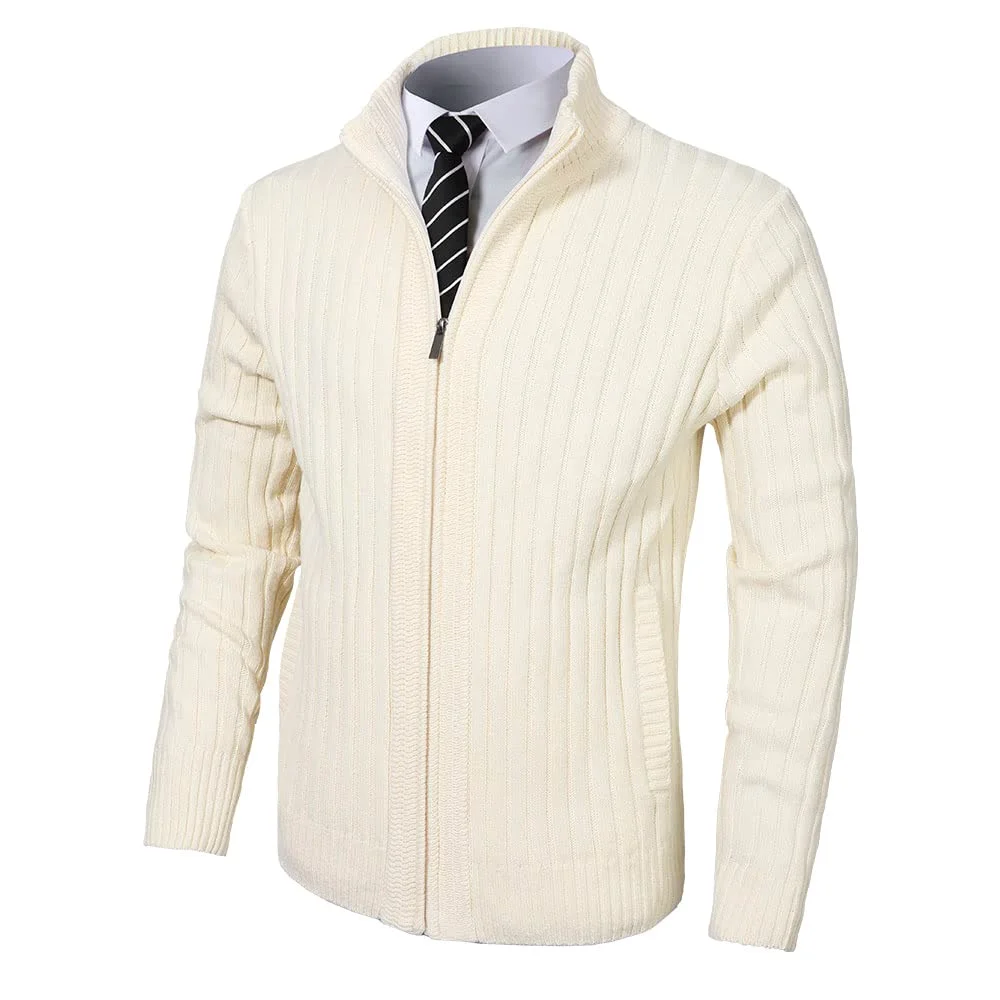
Cardigan
Men's Full-Zip Cardigan
- Cotton blend
- Sizes S to 3XL
- 3 pockets
4.6 · 3,245 ratings
from $52.20
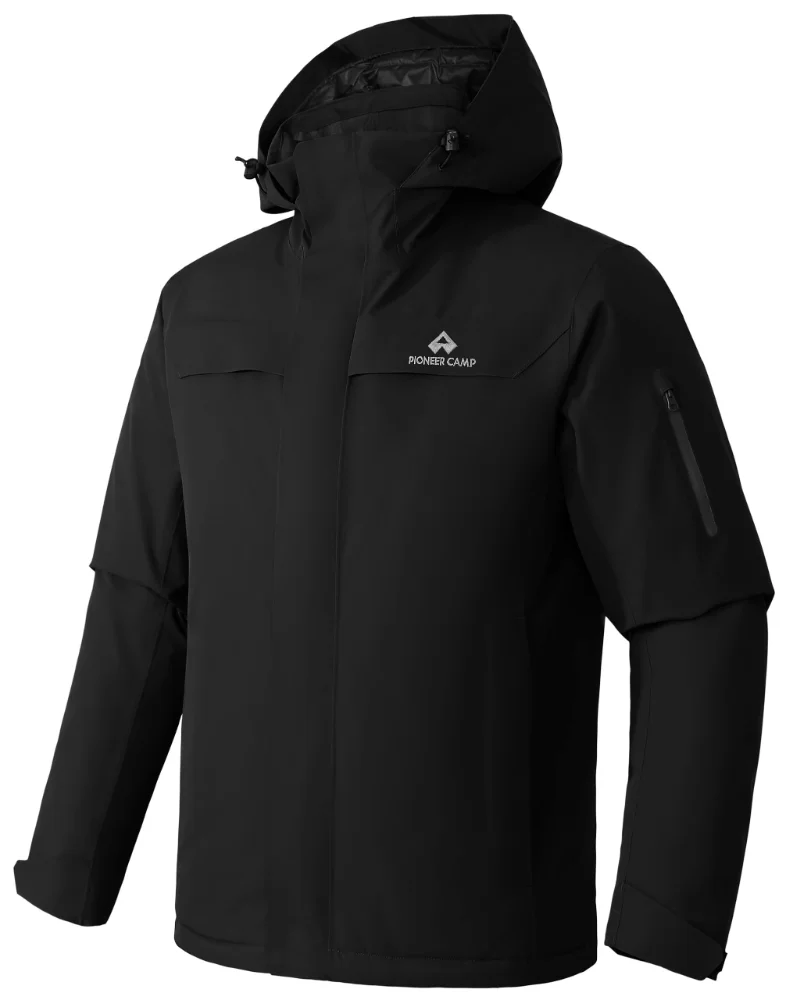
Ski jacket
Men's Waterproof Snowboard Jacket, synthetic fill
- Synthetic fill
- Sizes S to 2XL
- Pockets
4.4 · 63 ratings
$190.00
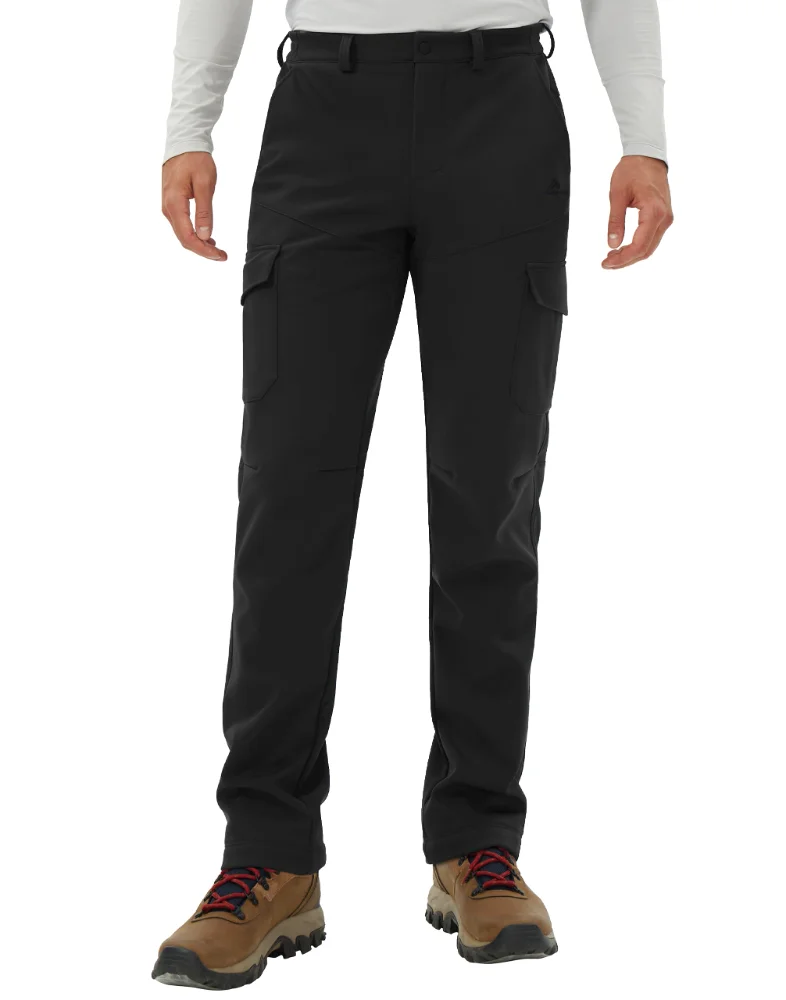
Snow pants
Men's Fleece-Lined Snow Pants in Black
- Waterproof
- Sizes S to 2XL
- 5 zip pockets
4.4 · 93 ratings
$69.99
03What we make
What Pioneer Camp makes, and what it is for
Nine shelves of outdoor clothing, cut around one question: what is the weather going to do to you today.
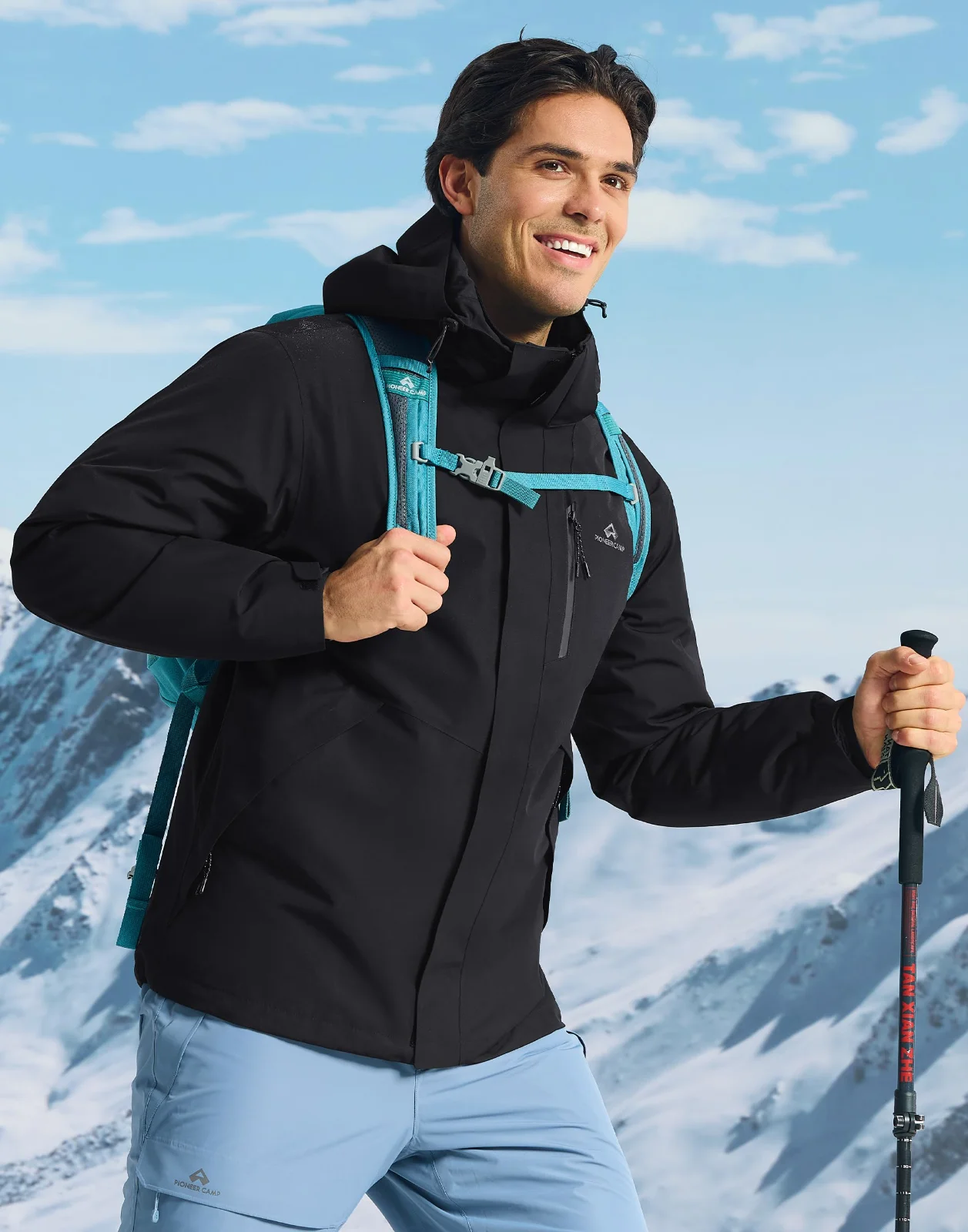
Pioneer Camp has made outdoor clothing since 1999, for men and women, and the range is built around layers rather than seasons. Something next to the skin that moves sweat off you or blocks the sun. Something over it that holds heat: fleece if the day is dry, down if you need warmth you can pack, synthetic fill if you expect to get damp. Something over that when the weather turns: a taped shell for rain, a softshell for wind, a ski jacket for the day that ends on a lift. And the trousers, shirts and socks that the rest of it goes over.
What we print on a card is the part a photograph cannot carry. Fill power on the down. Grams per square metre on the fleece. Whether the hood comes off and whether the seams are taped. The pocket count, and which of them zips. The inseam on every pair of trousers and shorts, because four inches and eighteen inches are two different purchases. The size run the piece is actually cut in, from XS to 3XL depending on the piece. Where the label carries a UPF figure we print it and say what it describes; where it does not, we leave the line blank rather than guess.
What "UPF 50+" means on a Pioneer Camp card
That the dry, unstretched cloth lets one fiftieth of the sun's ultraviolet through, which is the floor the Skin Cancer Foundation sets for its own seal. It covers the skin under the garment, it drops when the cloth is wet or pulled tight, and it does nothing for the rest of you. The sources are named on every page that prints the figure.
04What you are looking at
A range built around layers, sold by the fill and the gram
Start at the skin and work outward. Something that moves sweat or keeps the sun off: a bamboo tee, a quick-dry shirt, a merino base layer, a hooded sun shirt rated UPF 50+. Something over it that holds heat: a grid fleece if you are going to move hard, a polar fleece if you are not, a sherpa if the day is cold and dry, down if you need the warmth to fold into a stuff sack. Something over that when the weather turns: a taped shell for rain, a softshell for wind, a three-in-one for a day that ends on a lift. Then the trousers, the socks and the gaiters the rest of it goes over.
The second thing to know is that the figure is printed and the piece is sold by it. Fill power on the down, grams per square metre on the fleece, the inseam on every trouser and short, the pocket count with the zipped ones named, and a UPF number where the label carries one. What you will not find anywhere on this site is a temperature rating, because comfort in cold depends on the wind and on whether you are standing still, and a number printed against a jacket would be a guess made on your behalf.
The longer answer to “what is this brand” lives on Read what Pioneer Camp makes and who it is for.
05The second six
The grid fleece, the 3-in-1, the sun hoodie and the cargo trousers
The mid layer that goes under a shell without bunching, the ski jacket that comes apart into two, the hoodie people wear on the water all summer, the trousers with the thigh pocket, the packable puffer that lives in a pack, and the merino socks that get bought three pairs at a time.
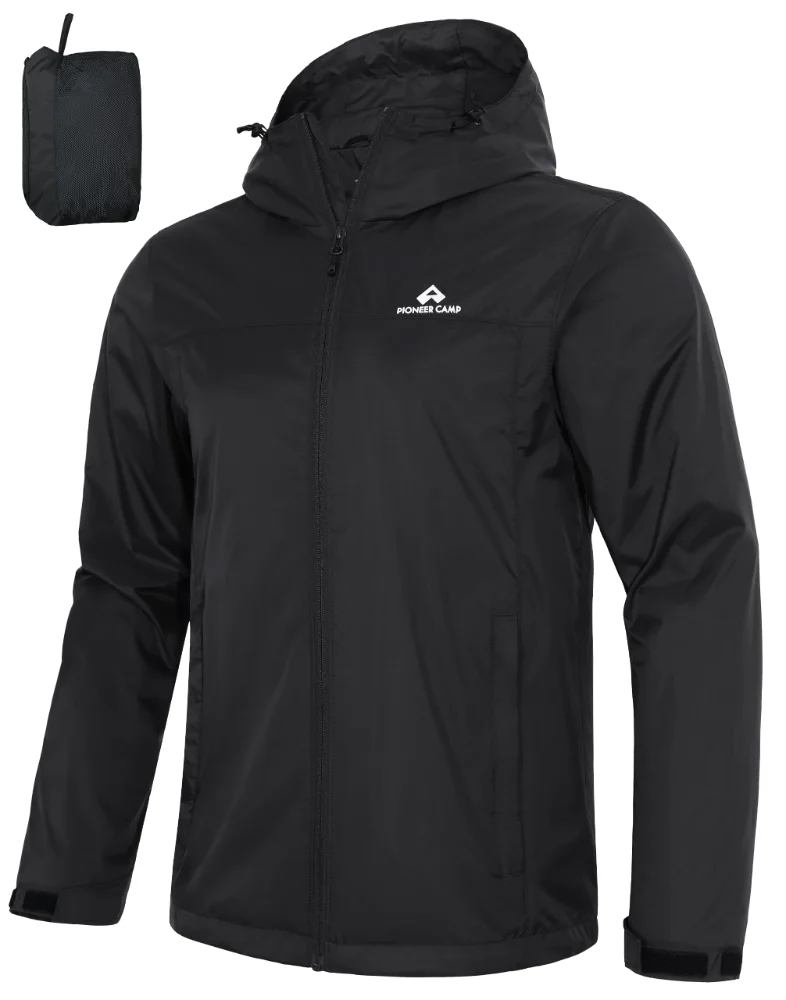
Rain jacket
Men's Waterproof Rain Jacket, 3 pockets
- Sizes L to 2XL
- 3 zip pockets
- 4 colourways
4.4 · 230 ratings
$54.99
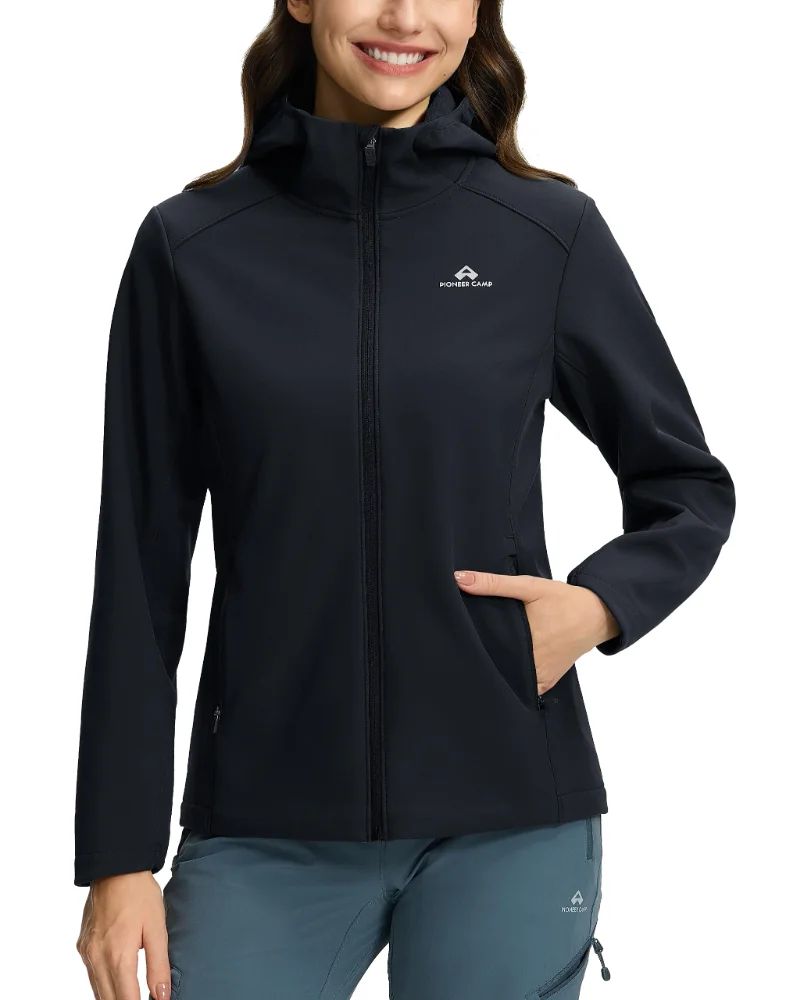
Softshell jacket
Women's Fleece-Lined Softshell Jacket
- Polar fleece
- Sizes S to 2XL
- Pockets
4.2 · 45 ratings
$80.99
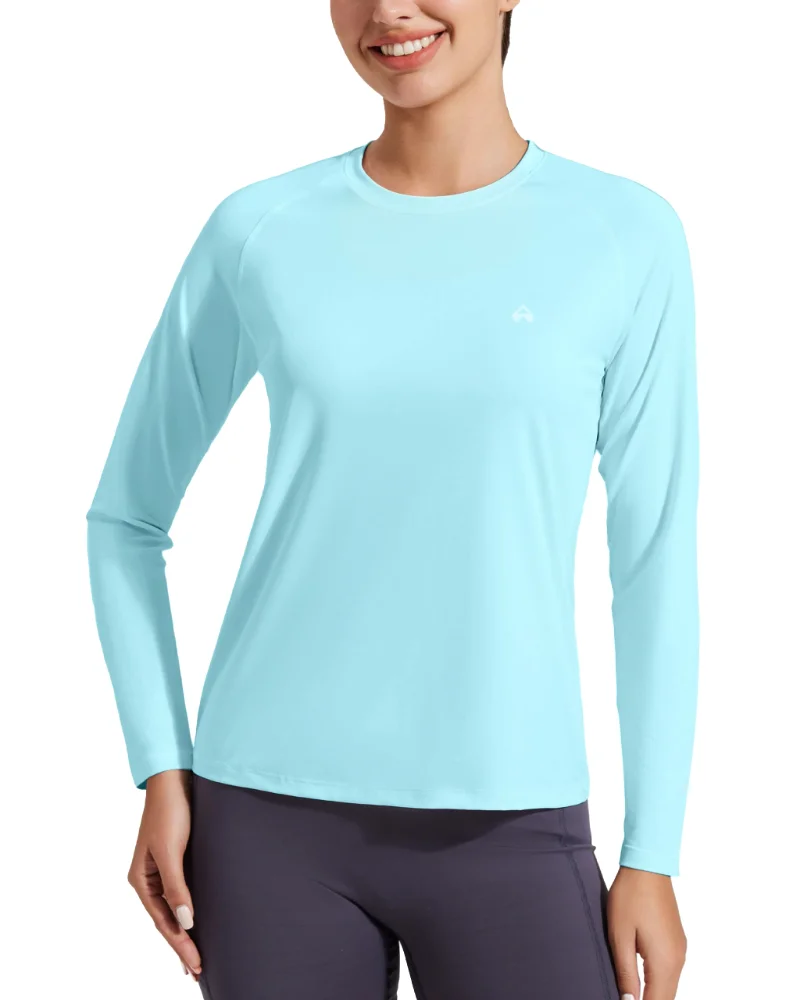
Sun shirt
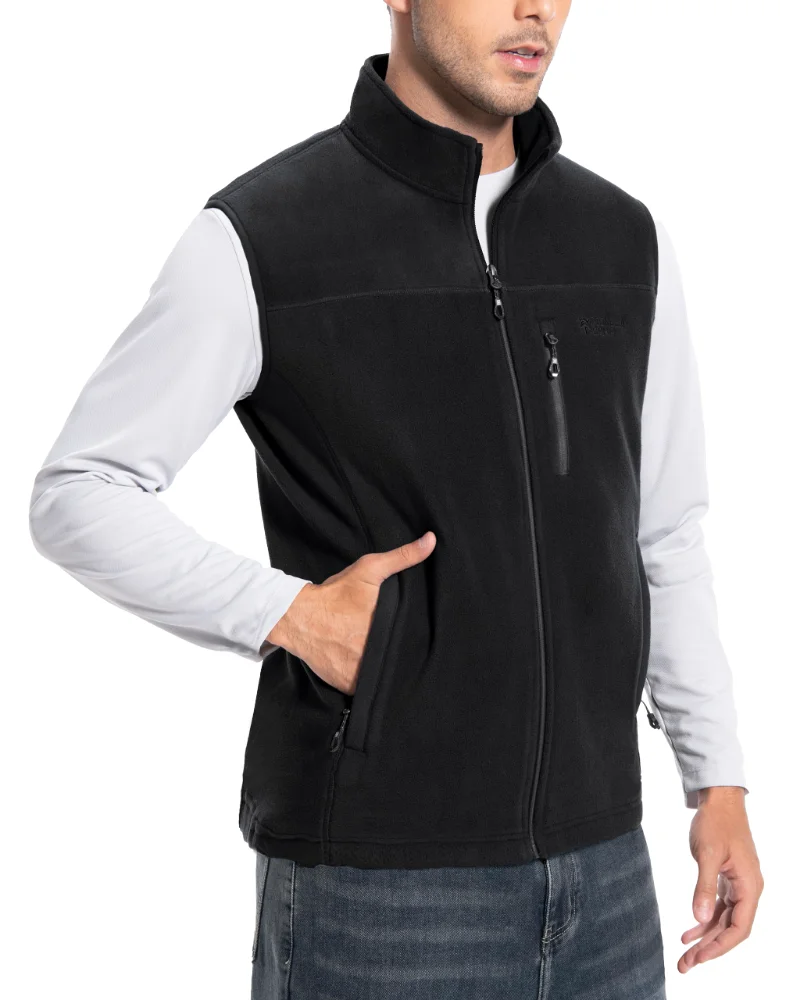
Women's UPF Long-Sleeve Sun Shirt, aqua blue
- UPF 50+
- Sizes XS to 3XL
- Quick dry
4.6 · 251 ratings
from $9.99
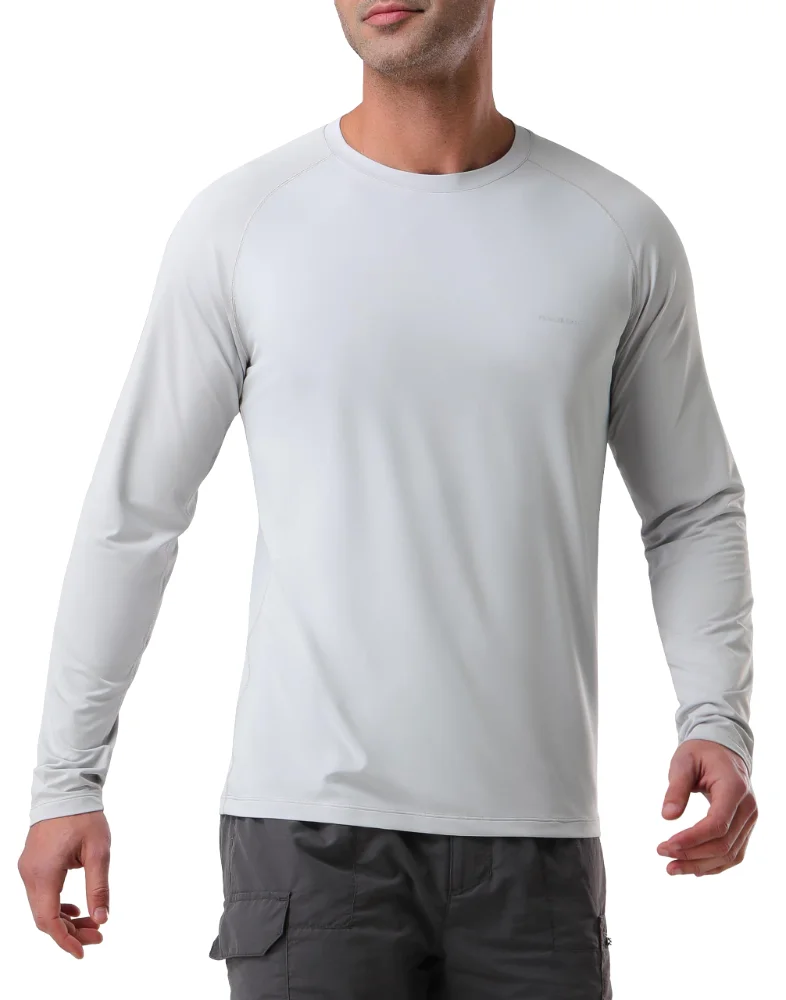
06Straight to a piece
The Pioneer Camp pieces people search for by name
Jackets, fleece, ski kit, sun layers, trousers and the waterproof ones first; the rest are one click away, each page with its pieces, prices, colourways and size runs.
Pioneer Camp Jackets
Type our name and this is usually the page you wanted. Every outer layer we make sits here: the down and synthetic puffers, the long parkas, the taped rain shells, the softshells, the windbreakers and the ski jackets. The fill power is on the down ones, the taping on the waterproof ones and the pocket count on all of them, so you can compare across the shelves rather than inside one.
Pioneer Camp Women's Jackets
Half of what Pioneer Camp makes is cut for women, and it runs through every shelf rather than sitting in a corner of the range: the puffers and the parkas, the fleece and the grid mid layers, the ski jackets and the snow trousers, the rain shells and the windbreakers. This page gathers them, from XS to 3XL, with the same figures on the card as everywhere else.
Pioneer Camp Shirts and Tees
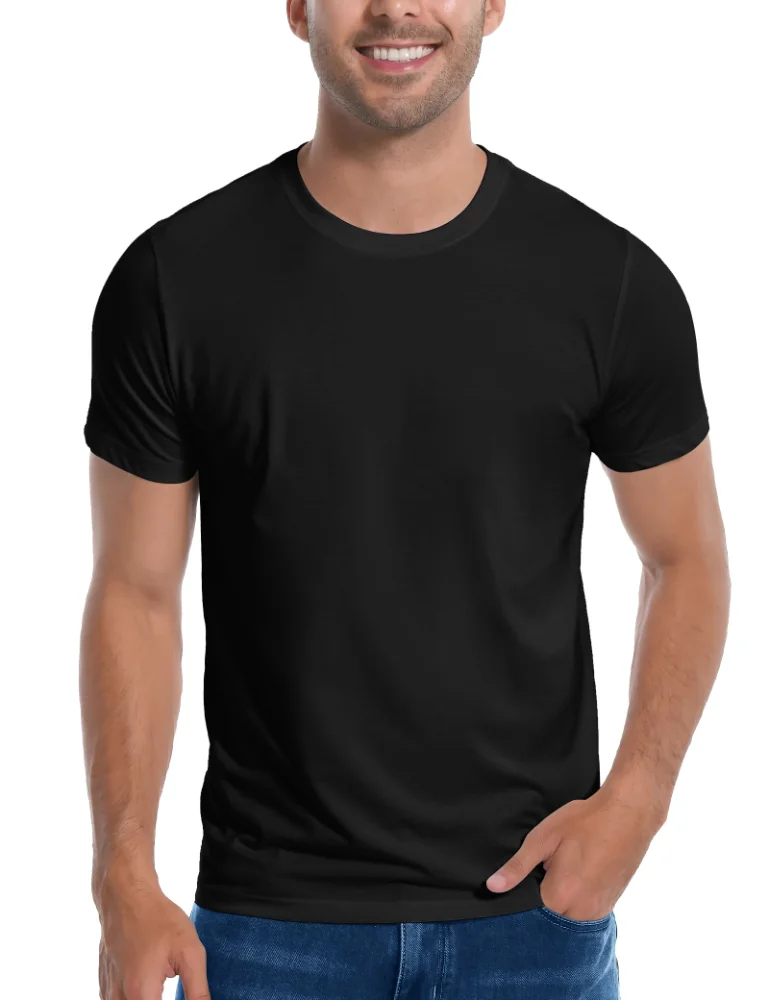
The shirts are the shelf people come back to rather than the one they arrive on. Bamboo viscose for the hot days and for the plain tees that get bought three and six at a time, quick-dry polyester for training and for anything that has to be dry again by lunch, merino for cold weather and for trips where laundry is not an option. Fibre content is printed on every card as the label gives it.
Pioneer Camp Fleece Jackets
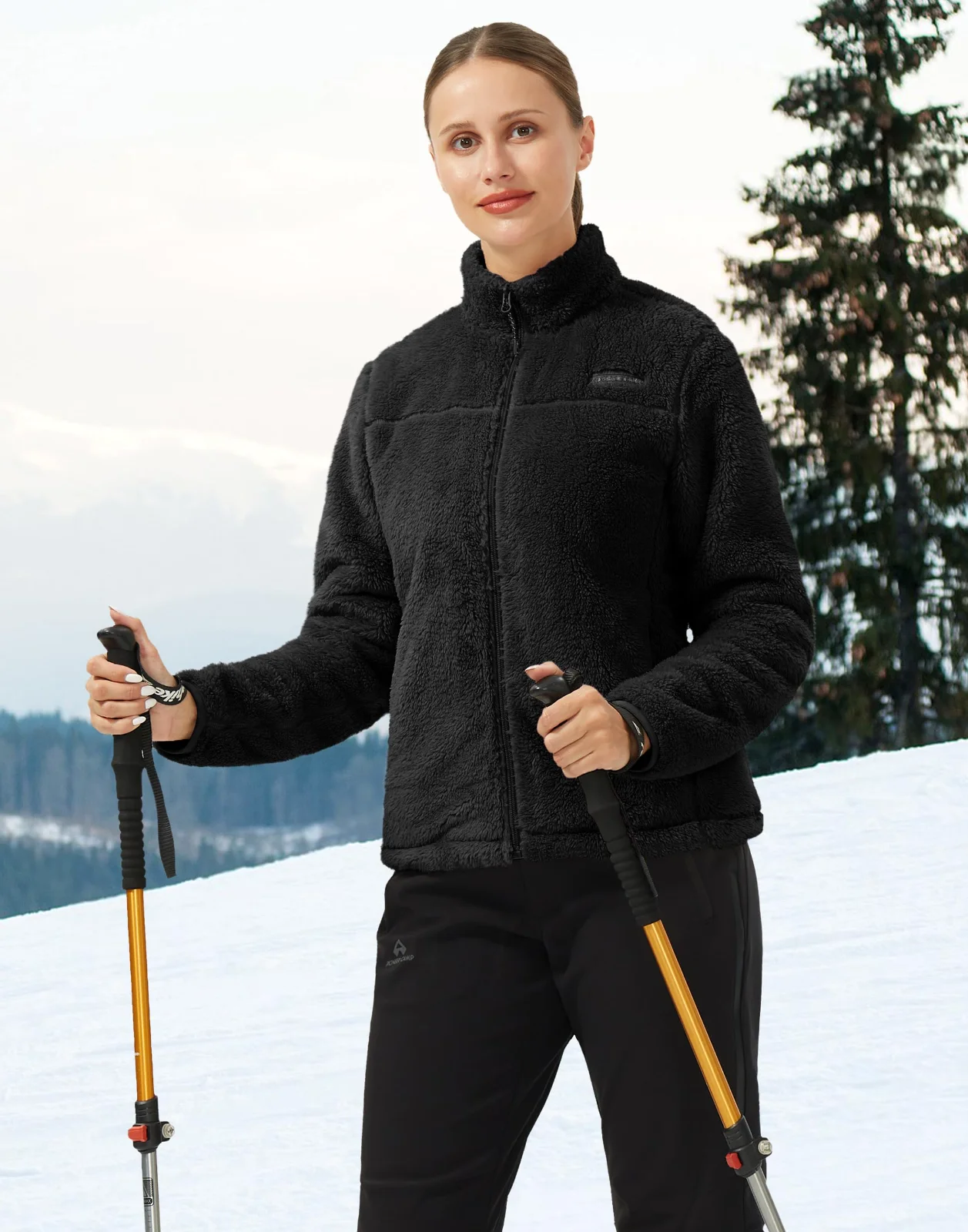
Fleece is the layer most people own two of, and the four kinds here are not interchangeable. Grid fleece has a waffled inside face and goes under a shell without bunching. Polar fleece is the plain warm one with a full zip and pockets. Sherpa is the heavy one that reads as a coat. Half-zips are the layer you open at the top of a climb and close on the way down.
Pioneer Camp Hiking Trousers
The hiking trousers are the piece of this range that gets worn most and photographed least: stretch nylon, light, quick to dry, with the pockets in the places that matter on a descent. The cargo cuts add a thigh pocket, the convertible ones unzip at the knee, and several of them carry a UPF figure for open ground.
Pioneer Camp Sun Hoodies and UPF Shirts
A sun hoodie is the piece people are surprised to find they wear all summer. Hood up, sleeves down, thumbs through the cuff, and the parts that actually burn are covered without a repeat application of anything: the back of the neck, the tops of the ears, the back of the hand. Most of these are rated UPF 50+, which means the dry cloth lets one fiftieth of ultraviolet through.
- Pioneer Camp Men's Jackets
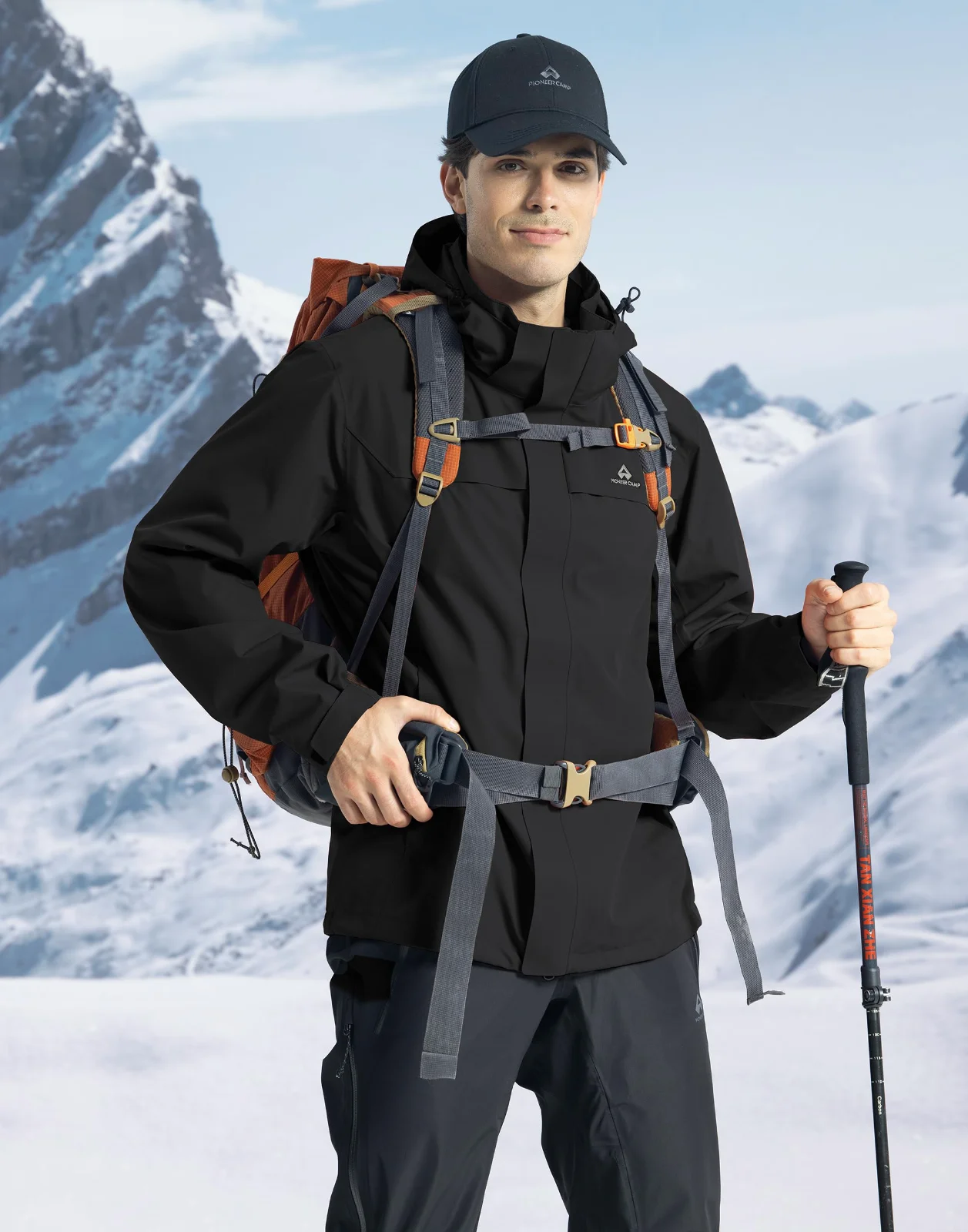
- Pioneer Camp Waterproof Jackets
- Pioneer Camp Ski Jackets
- Pioneer Camp Shorts
- Pioneer Camp Cargo Trousers
- Pioneer Camp Bamboo Shirts
- Pioneer Camp Puffer Jackets
- Pioneer Camp Vests
- Pioneer Camp Down Jackets
- Pioneer Camp Parkas
- Pioneer Camp Grid Fleece
- Pioneer Camp Half-Zip Pullovers
- Pioneer Camp Snow Trousers and Bibs
- Pioneer Camp Rain Jackets
07Who does what
The people at Pioneer Camp, by what they decide for you
No faces and no names on this page, because a face would be a stock photograph and a name would be a story. Four jobs instead, each one something you can hold a card against.
Fill and weight
Fill and weight
Decides how much down goes in a jacket and how heavy the fleece is, and prints both. A fill power figure is the loft of the down and a gsm figure is the weight of the cloth; neither is a temperature, and no card here will tell you what you will be comfortable in, because that depends on the wind and on what you are doing.
Seams and weather
Seams and weather
Chooses where the tape goes, where the coating goes and where neither is needed. A jacket is called waterproof on this site only where the seams are sealed and the data says waterproof; a softshell that shrugs off a shower is called water-resistant, which is a different promise and a smaller one.
Sizes and charts
Sizes and charts
Cuts the run the card prints and keeps the chart on the buying page honest to it: XS to 3XL on most of the range, S to 2XL on the snow kit. A letter describes the garment; the chart is how you match it to a tape, and an insulated jacket meant to go over a fleece is cut with that layer in mind.
Letters and corrections
Letters and corrections
Reads what you write to us and fixes the page when you are right. A wrong pocket count, a fill power that argues with the label, a colour that is not the colour in the photograph: the correction goes on the page and the change is noted, and the address is at the foot of every page.
08Before you click
Six things to settle before you trust a Pioneer Camp size
The commonest mistake is ordering the letter from your jeans and the warmth from the photograph. Take two measurements once, decide what is going underneath, and this catalogue turns into a filter.
Step 1
Chest, over the shirt you will wear
Tape level under the arms and round the fullest part of the chest, over a T-shirt rather than bare. Every jacket chart on the buying page starts with a chest figure, and it is the one that decides whether the zip closes comfortably when you are wearing something under it.
Step 2
Waist, where the trousers sit
Tape level round your natural waist, snug and not pulled tight. Trousers and shorts here are sized off this figure, and part of the shelf is sold waist-by-length, where the second number is the inseam rather than anything about your height.
Step 3
Inseam, from a pair you own
Lay a pair of trousers or shorts you like flat and measure from the crotch seam to the hem. Match that number to the card. Four inches and nine inches are two different shorts, and a photograph on a model of unknown height cannot tell you where either ends on you.
Step 4
Decide what goes underneath first
A shell that only ever goes over a shirt fits differently from one that has to swallow a fleece. If you are buying the outermost layer and you own the layers under it, take the larger of two letters; if the piece is the mid layer itself, take the smaller so it sits close and does not bunch at the elbow.
Step 5
Match the fill to the weather, not the month
Down is the warmest for its weight and the best thing to carry, and it loses most of that when it soaks. Synthetic fill is heavier and keeps working damp. If the days you are buying for are cold and dry, take the down; if they are cold and wet, take the synthetic and put a shell over it.
Step 6
Buy one before you buy three
A colour you love in the wrong warmth is an exchange. Order one jacket or one pair of trousers you have not worn before, wear it once on the day it is for, and then buy the colours in the fit and the letter you now know. It costs a delivery and saves a return.
09What the numbers mean
Five figures on a Pioneer Camp card, and what each one buys you
Every one of these is printed from our own product data, and none of them is a temperature rating. Read them as descriptions of cloth, which is what they are.
Fill power
How much loft a given weight of down produces. Higher means warmer for the same weight, which matters when the jacket is going in a pack rather than on your back. It says nothing about how much down is actually in the jacket, so a 650-fill parka can out-warm an 850-fill shell.
Grams per square metre
The weight of the fleece. A 400 gsm polar fleece is a thick, wind-blocking coat on its own; a 200 gsm grid fleece is a mid layer that disappears under a shell. When you are choosing between two fleeces this is the only figure that separates them.
Taped seams
A seam is a line of needle holes. On a waterproof shell the holes are sealed with tape on the inside, and that is the difference between a jacket that keeps rain out for an afternoon and one that wets through at the shoulders. Where a card does not say taped, it is not.
UPF
What fraction of ultraviolet the dry, unstretched cloth lets through: UPF 50 lets one fiftieth through. It drops when the cloth is soaked or pulled tight over a shoulder, which is the argument for a loose cut and for the hood.
Fibre content
Printed as the label gives it, by weight in descending order, because that is what the labelling rules require. Nylon and polyester dry fast and hold their shape, merino keeps working when damp, bamboo viscose is the soft one, and cotton is the one that stays wet.
Every figure above is printed from our own product data. Where the people at Pioneer Camp does not hold a number for a piece, the line on its card is blank rather than filled with an adjective.
10Field Notes
Three pieces on warmth, weather and the wash
How to read a fill power figure without being sold to, what separates a waterproof shell from a water-resistant one, and how to wash down and fleece without ruining either.
What a fill power figure tells you about a Pioneer Camp down jacket, and what it does not
A jacket at 850 fill is not automatically warmer than one at 650, and the number is the single most misread figure in outdoor clothing. What fill power measures, why a long parka at 650 beats a short shell at 850, where synthetic fill wins outright, and why no card on this site carries a temperature rating.
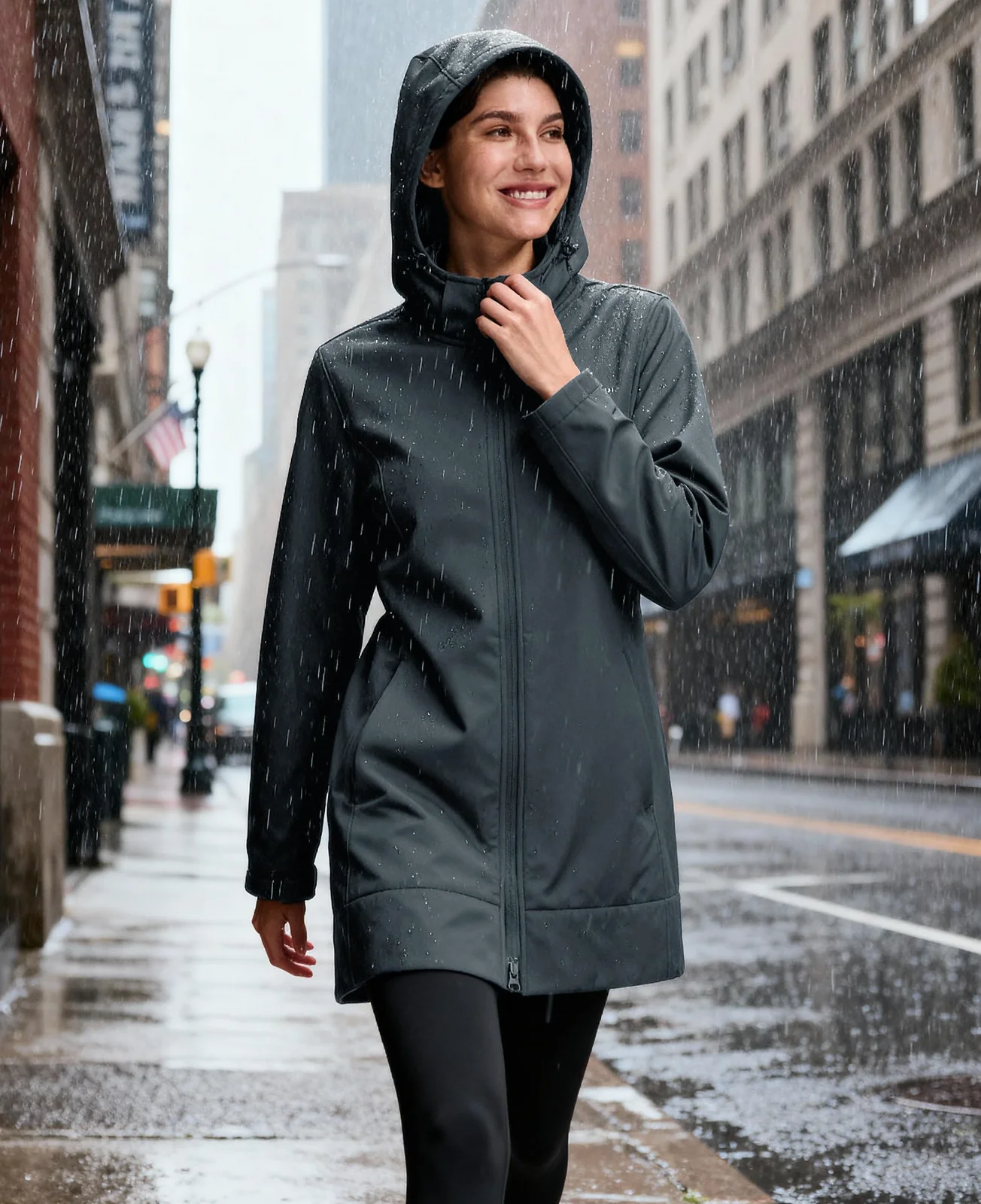
Waterproof or water-resistant: which Pioneer Camp shell you actually need
A water-resistant softshell and a taped waterproof shell are sold twenty feet apart and behave nothing alike in an hour of rain. What the two words mean on a card, why a seam fails before a fabric does, what taping actually is, when a softshell is the better call, and why a jacket that has stopped beading has usually not failed at all.
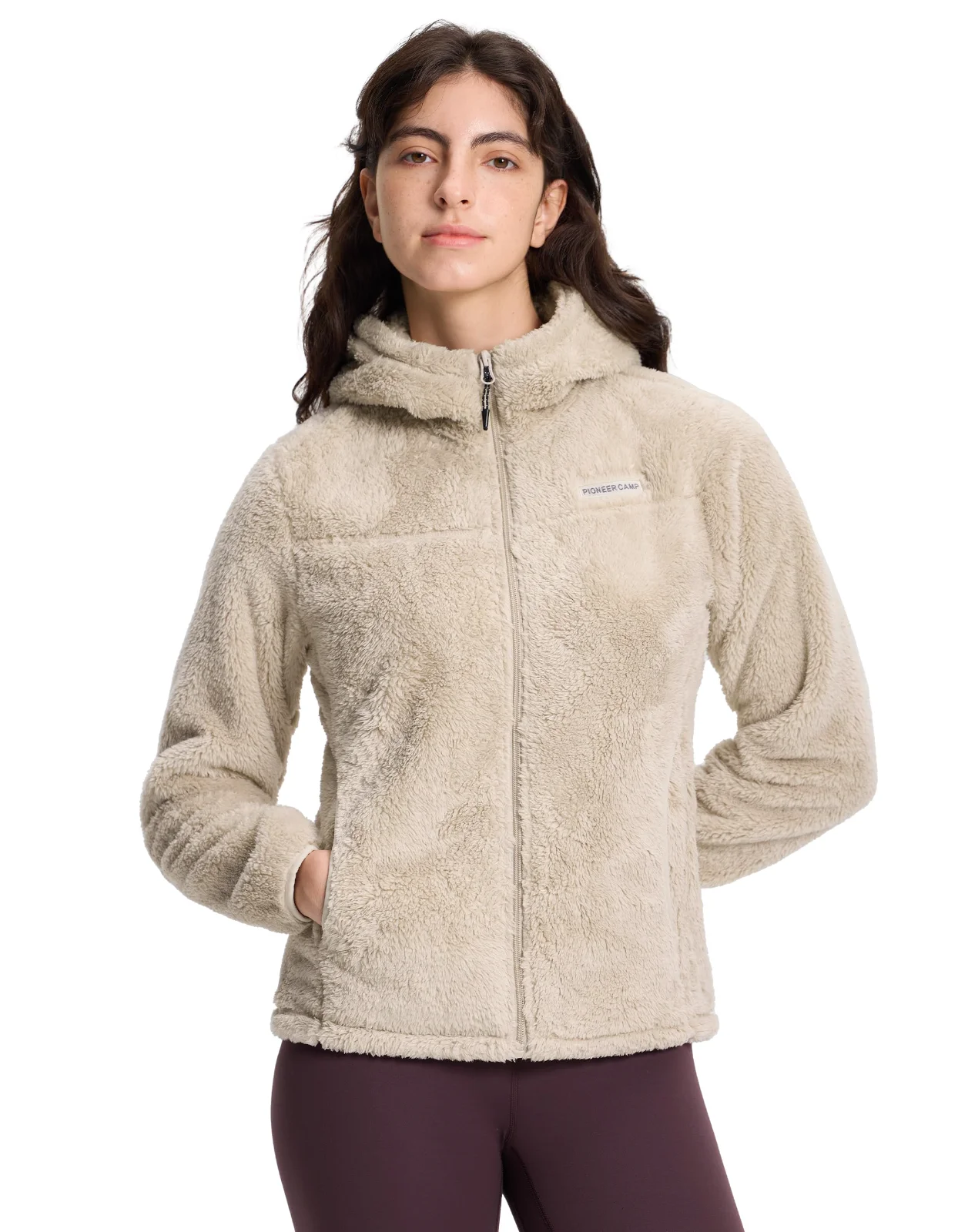
How to wash a Pioneer Camp down jacket and a fleece without wrecking either
The commonest way to ruin a down jacket is to wash it correctly and then dry it wrongly, and the commonest way to ruin a fleece is fabric softener. What the care label is legally required to tell you, why wet down clumps, how long a proper dry actually takes, what softener does to a pile, and how to bring a shell back to beading.
11Questions people send us
What buyers ask Pioneer Camp before they order
Five of them. Longer answers live on the shelf pages and in Field Notes.
Where can you buy Pioneer Camp jackets, fleece and sun layers?
Every buying button on this site opens the piece you were looking at, in the colourway and the size you chose, at our retail partner. That is where you pick the size, where the payment, the delivery and any exchange happen, and the price you see there is the price you pay.
If you would rather scroll the whole range in one place, the button at the foot of every page opens the catalogue rather than a single garment.
How do you know which Pioneer Camp size to order?
Take two numbers, the chest over the shirt you will actually wear and the waist where trousers sit, and hold them against the chart on the buying page rather than against the letter you buy in jeans. Then decide what is going underneath: an outer layer that has to swallow a fleece wants the larger of two letters, a mid layer that should sit close wants the smaller. The size block further up this page walks through it.
Which Pioneer Camp jacket is the warm one?
For dry cold, the down jackets and parkas: they give the most warmth for their weight and they pack into a stuff sack, so they are the ones people carry. For cold that comes with rain or wet snow, the synthetic and PrimaLoft fills, because down that soaks through stops insulating and synthetic fill does not.
Fill power on a card describes the loft of the down, not the warmth of the jacket, so read it alongside how much jacket there is: a long parka at 650 fill holds more heat than a short shell at 850. No card here gives a temperature rating, because what you will be comfortable in depends on the wind and on whether you are moving.
What does the UPF number on a Pioneer Camp sun hoodie actually promise you?
That the dry, unstretched cloth lets a fraction of ultraviolet through: UPF 50 lets one fiftieth through, which the Skin Cancer Foundation gives as the floor for its own seal. It covers the skin under the garment and nothing else.
Two things lower it, and both are worth knowing before a day on the water. Wet cloth protects less than dry, and cloth pulled tight across a shoulder opens its weave. That is why these are cut loose and hooded rather than close, and why the hood is the part that matters on a boat.
How do you wash a Pioneer Camp down jacket without ruining it?
Cool, gentle, and then dried properly, which is the part people skip. Wet down clumps, and a jacket taken out of the machine and hung up will dry into lumps with cold gaps between them; a low tumble with a couple of dryer balls breaks the clumps and brings the loft back. It takes longer than you expect.
The label sewn into the garment is the document that governs washing, and where it and this page disagree, the label wins. Fleece asks for less: cold wash, no fabric softener, because softener coats the fibres and takes the loft out of them.
Prices on this page are the figures from our last update; we refresh them on a schedule, which is the least glamorous part of care from Pioneer Camp, and the figure at the till is the one that counts.
Every Pioneer Camp layer, every size
Every size, colourway and fill in the Pioneer Camp selection sits behind this button, with the price from our last update against each one.